Result
A 31.5-second spot in eight scenes, as a 16:9 master and a separate 9:16 version with its own portrait layouts. Three rounds of feedback went into the fourth version. The overall mix sits at −12 LUFS. A second, vertical video followed.
A 31.5-second motion graphics commercial in 16:9 and 9:16. Built with Claude Code.
A 31.5-second spot in eight scenes, as a 16:9 master and a separate 9:16 version with its own portrait layouts. Three rounds of feedback went into the fourth version. The overall mix sits at −12 LUFS. A second, vertical video followed.
Gamer Stüble needed a short commercial. The project also tested how far Claude Code gets with a commercial. The brief: about 30 seconds of motion graphics, the original logo, an ElevenLabs voice, an existing music file and fixed loudness targets for voice, music and the overall mix. All sound effects had to be generated from scratch. The content had to come from the Gamer Stüble website.
The spot has eight scenes:
The 9:16 version is derived from the 16:9 master but has its own portrait layouts. The tool chain for voice, sound, mix, grading and rendering exists as scripts, so any change can be rendered again.
The second video. A new, portrait-only video followed. It travels through the graphics generations of games: 8-bit, 16-bit, early 3D, HD and today. The 3D era is a three.js scene with a custom shader. The music is a single theme that grows richer with each era. Up to the drop it is composed and synthesised from scratch; after that, an AI orchestra from ElevenLabs Music takes over. Kling 3 Pro generated two short camera moves from photos on the website. At the end, the stag from the logo passes through every stage from 8-bit to HD. Subtitles carry every spoken line, so the video also works without sound. There are two versions, “The Quest” and “Finally together”, plus 30-second cut-downs.
The videos also show how feedback works here: I listened, Claude Code measured. Claude Code cannot hear audio, only measure it, and said so each time.
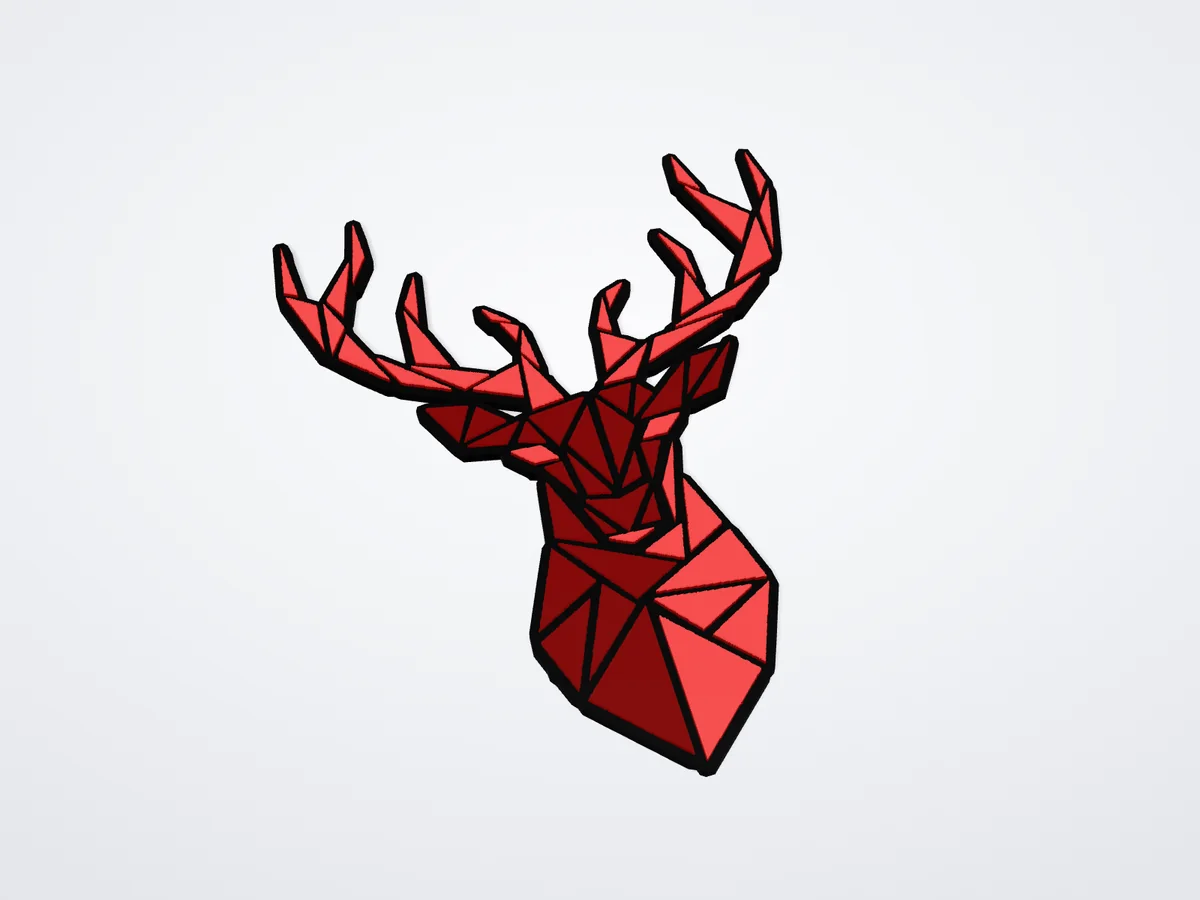
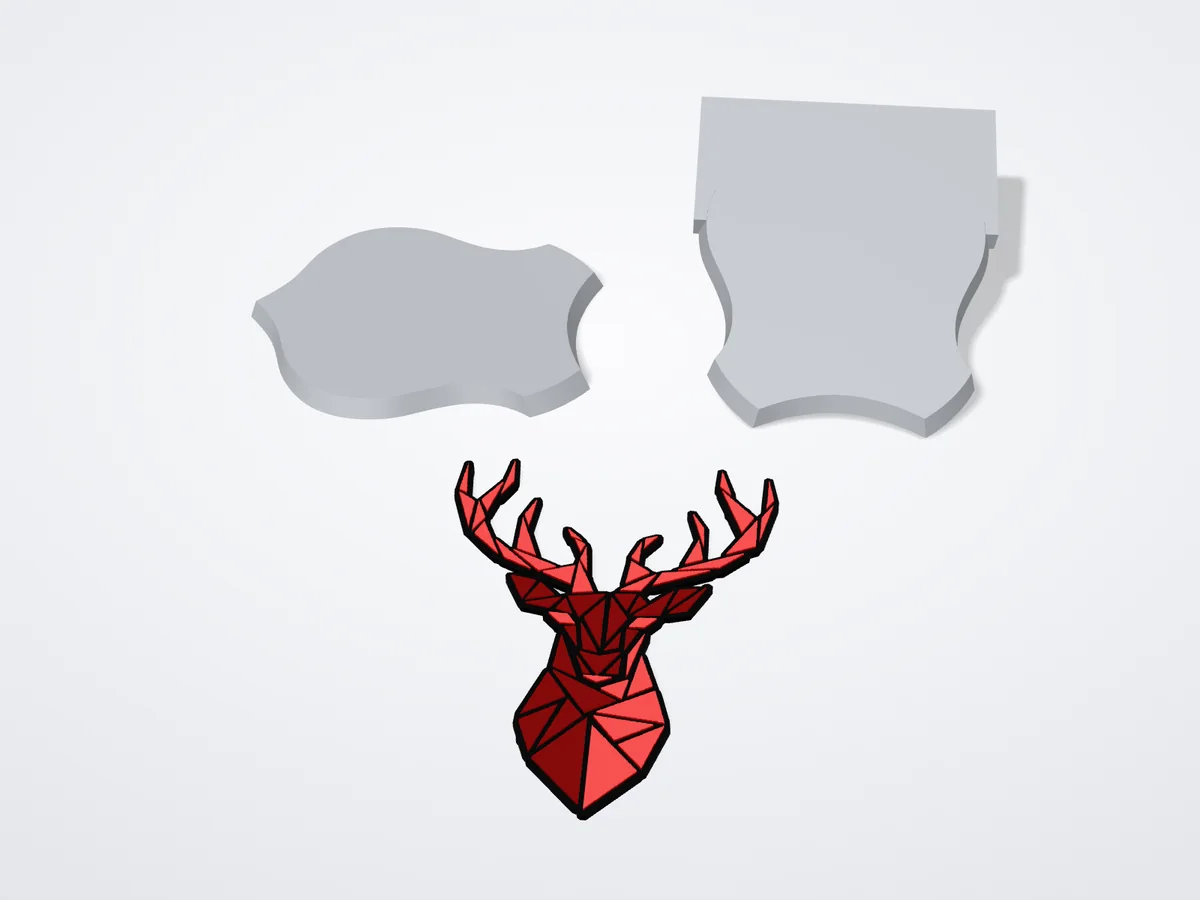
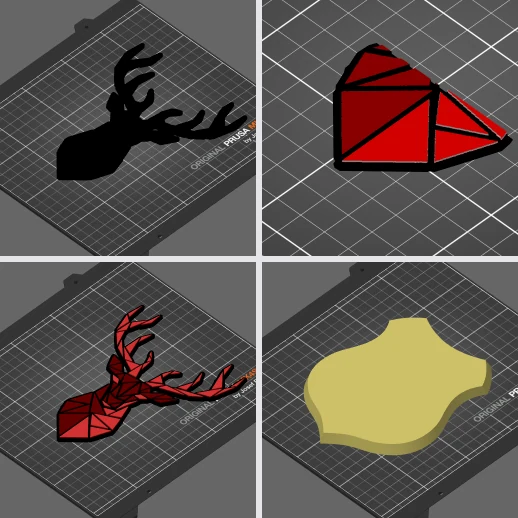
The trophy. For Gamer Stüble I also designed a trophy for 3D printing, made of several parts: a shield plate, a stag figure as the emblem and a stand. ImageToStl.com turned the logo into printable reliefs. The first draft still sat on a downloaded plate; after that I modelled the shield myself in Fusion 360. The print files are set up for an Original Prusa MK4S, the newer ones with the MMU3 for multicolour printing. The trophy images are renderings of these files and previews from PrusaSlicer.
Claude CodeClaude Opus 5.5
Claude Code read the Gamer Stüble website and collected texts, room photos, the logo and the typeface. It used real room photos instead of the images the website labels as AI-generated. Every claim in the voice-over comes from the website.
Claude CodePythonOpenCV
Out of four concepts, a trailer with HUD elements was chosen. Claude Code split the logo into 63 triangles and set the beat grid of the music (136 BPM). The storyboard with eight keyframes and the voice-over script were approved before the build.
HyperFramesGSAPElevenLabsfaster-whisperffmpeg
The voice came from ElevenLabs. Whisper measured word timings so that cuts and captions land on the words. 40 sound effects were synthesised by script, and the photos were graded into a red night look. The check reported 0 errors and passed 44 of 44 WCAG AA contrast checks.
PythonpyloudnormPraat
As briefed, the music was very quiet. A second audio version makes it audible and ducks it under the voice. On content, the Backforce chairs replaced the 144 Hz claim. When the voice sounded tinny in edited lines, Claude Code measured three causes and rebuilt the audio chain: no time-stretch, no compressor, exactly one limiter.
Next case studyA commercial from a single AI clip