Since 2022, digital stations for school classes with the makerspace vspace.one; in 2026, a 3D excavation game and reconstructions from museum photos.
Result
According to the museum's project page, three of the six digital stations are ready for visitors to try, and the fifth, on archaeology, is still being designed. At the closing event of “Museen im Wandel III” in Stuttgart, the museum director and I presented the project together. The MFG presented the approach as a recipe for success at an autumn conference of the Baden-Württemberg museum association. From 2026 come two playable versions of the game station, three 3D models built from museum photos and a print-ready file of a clay rooster. The games are voiced in German, English and French and have been tested in the browser. A test on a real Raspberry Pi 5 is still open.
Starting point
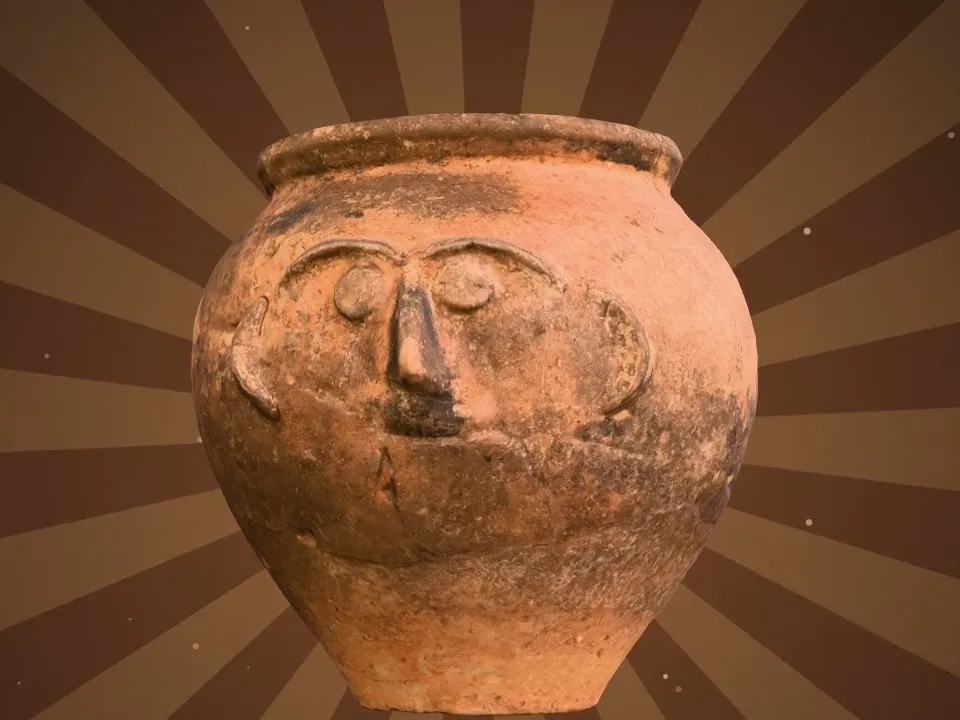
In March 2022, the Dominikanermuseum Rottweil was accepted into “Museen im Wandel III” (Museums in Transition), a program of the Baden-Württemberg arts ministry in which the MFG Baden-Württemberg coaches the participating museums. The project “Römisches Rottweil – Digital nach Arae Flaviae” (Roman Rottweil – digitally to Arae Flaviae) was to create digital stations for 6th-grade classes in the Roman department. The open question was how to put the ideas into practice technically without neglecting the content. The museum looked for support at the makerspace vspace.one in Villingen. Later, a themed station on excavation was to follow. According to the concept for the museum management, it was to run on a Raspberry Pi with a touch display and show the archaeological method rather than treasure hunting. The game is aimed mainly at children under 12 and should be understandable without explanation. As a starting point, the museum sent photos of three objects: a Roman face vessel made of clay, and a square bottle and a beaker with pine-cone decoration, both made of glass.
What was built
The work with the Dominikanermuseum Rottweil has two phases.
Digital stations for school classes (since 2022). As part of “Museen im Wandel III”, the museum is developing digital stations for 6th-grade classes in its Roman department. Since November 2022, members of the makerspace vspace.one have worked on them, with me as project lead on the vspace.one side from the start. The museum team contributes content and flow, vspace.one the technical implementation. The coin station, where pupils design their own coins with an app by the vspace.one team, became the first publicly usable digital station in the Roman department. Other stations cover the Orpheus mosaic with scenes in front of a green screen, the military and the fort, trade in the Roman Empire and life in the camp village, where visitors make their own stop-motion film. At a test with pupils, who also gave tips for the fifth station on archaeology, a virtual excavation demo built by vspace.one was used. Testing with school classes began in December 2022, later also in public.
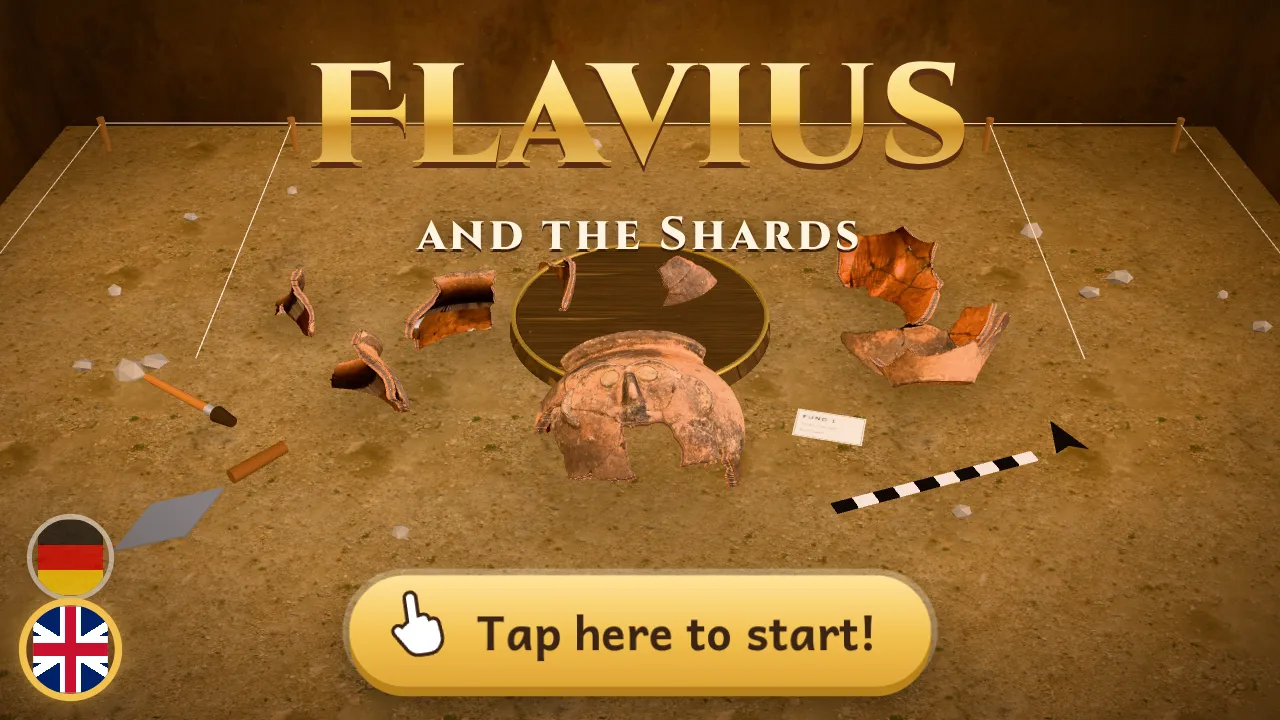
The excavation game station (2026). For the themed station on excavation, I built a game with Claude Code in 2026. It starts from a basic fact of archaeology: most of the time, all you find are shards. In version 1, “Flavius and the Shards”, children reassemble a Roman face vessel from its real fragments. The vessel speaks as “Flavius” and offers step-by-step hints when a child gets stuck. A round is designed to take 5 to 10 minutes. Version 2, “The Great Excavation”, is designed for about 30 minutes: dig, document every find with a flag and a find sheet, then restore it in the workshop. Instead of a leaderboard, there are one to three stars. Both versions run in the browser without a build step and are designed for a Raspberry Pi 5 with a touchscreen. You can play version 1 here in your browser, in English or German.
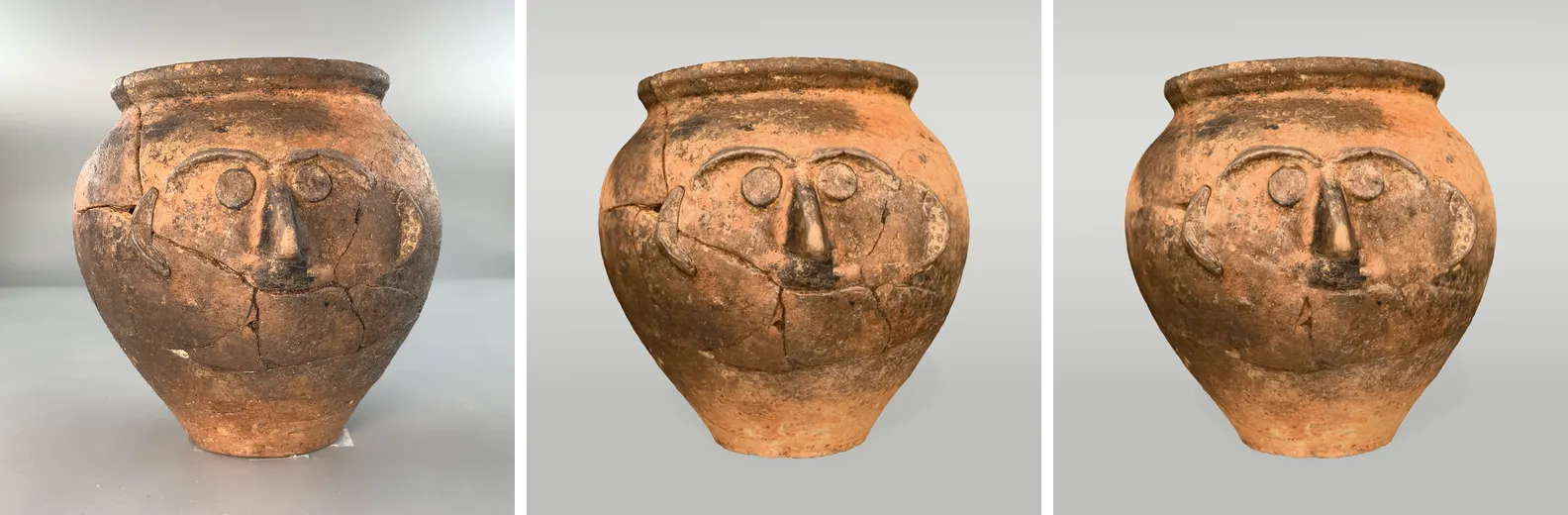
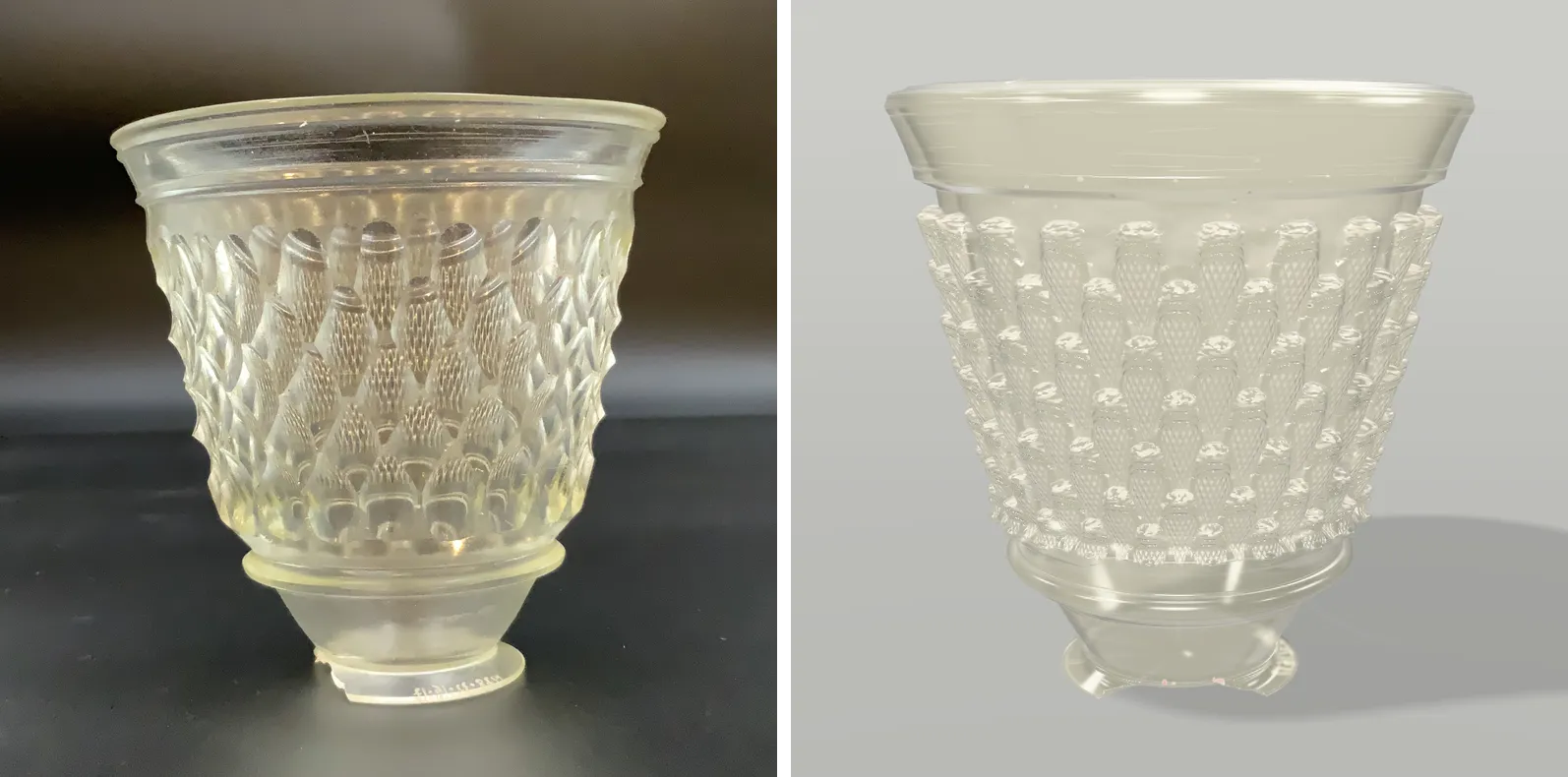
3D reconstructions from museum photos. Photos from the museum were turned into models of three objects: the face vessel, a glass bottle and a beaker with pine-cone decoration. For each model it is recorded what was measured, what was derived and what was assumed. The comparison images above show photo and model from the same viewpoint. The models also serve as the finds in the game.
A rooster for 3D printing. A small clay rooster figure was built from five photos as a print-ready STL file. In each view, the model’s outline matches the photos by 87 to 94 %. In the game, the rooster also lies in the ground as a find.
The stations since 2022 are joint work of the museum team and several members of vspace.one. The game station, the 3D models and the rooster were built in 2026 with Claude Code: code, shard pipeline, 3D processing and texts. I made the decisions, played the games, gave feedback and had changes made. Version 2 is not publicly available online. The museum documents the project since 2022 on its project page on “Museen im Wandel” (in German).